About This Blog
I started this blog to help researchers and engineers make sense of embodied AI, share what they learn, and move the field forward. Its focus is embodied intelligence, navigation, and robot learning: how ideas connect, what methods actually do, and what it takes to put them into practice.
I believe the AI era could widen the gap between people who use AI effectively and those who have yet to develop that ability. Finding reliable information and knowing how to apply it can be difficult in this fast-moving field. I hope this blog can help narrow that information gap and support more equitable access to knowledge, giving more people the opportunity to understand AI, use it well, and contribute to its progress.
AI draws on many fields at once. Understanding a navigation system may require knowledge of robotics, computer vision, language models, geometry, planning, and learning. Papers, tools, and benchmarks also change quickly. Even after studying a topic carefully, it is easy to forget the details or lose track of the reasoning behind a method. Writing things down, connecting them, and revisiting them helps turn scattered reading into knowledge we can use again.
That is why this site brings together research surveys, detailed paper readings, technical notes, and weekly updates. Readers should be able to find a starting point, trace ideas to their sources, compare approaches, and refresh their understanding before building on them.
A Resource We Can Build Together
The scope of this field is too broad, and its pace too fast, for one person to keep every topic complete and up to date. These pages began as my research notes. My hope is that they grow into a shared reference maintained by the community, with the breadth and care that many people’s experience can bring.
The goal is documentation that is technically rigorous, comprehensive, accurate, and easy to read. That takes ongoing work: checking explanations against original papers, recording the conditions behind reported results, correcting mistakes, filling gaps, and updating material as the field develops. Different research interests and practical experience can make this reference more useful.
Contribute
If something here could be clearer, more accurate, or more useful, you are welcome to help:
- Open an issue to report an error, ask about an explanation, suggest a missing topic, or point out an outdated result. Please include a page link and supporting details.
- Submit a pull request to improve an explanation, add a reference, update a comparison, or refine a translation. Small corrections are welcome too.
- Share what you learn in practice, including limitations, implementation details, and results that help others understand when a method works.
You do not need to write a full article to contribute. Even one correction can help the next reader. Where possible, please cite original sources and distinguish reported findings from interpretation. Together, we can build a reference that researchers can trust and continue improving.
About Me
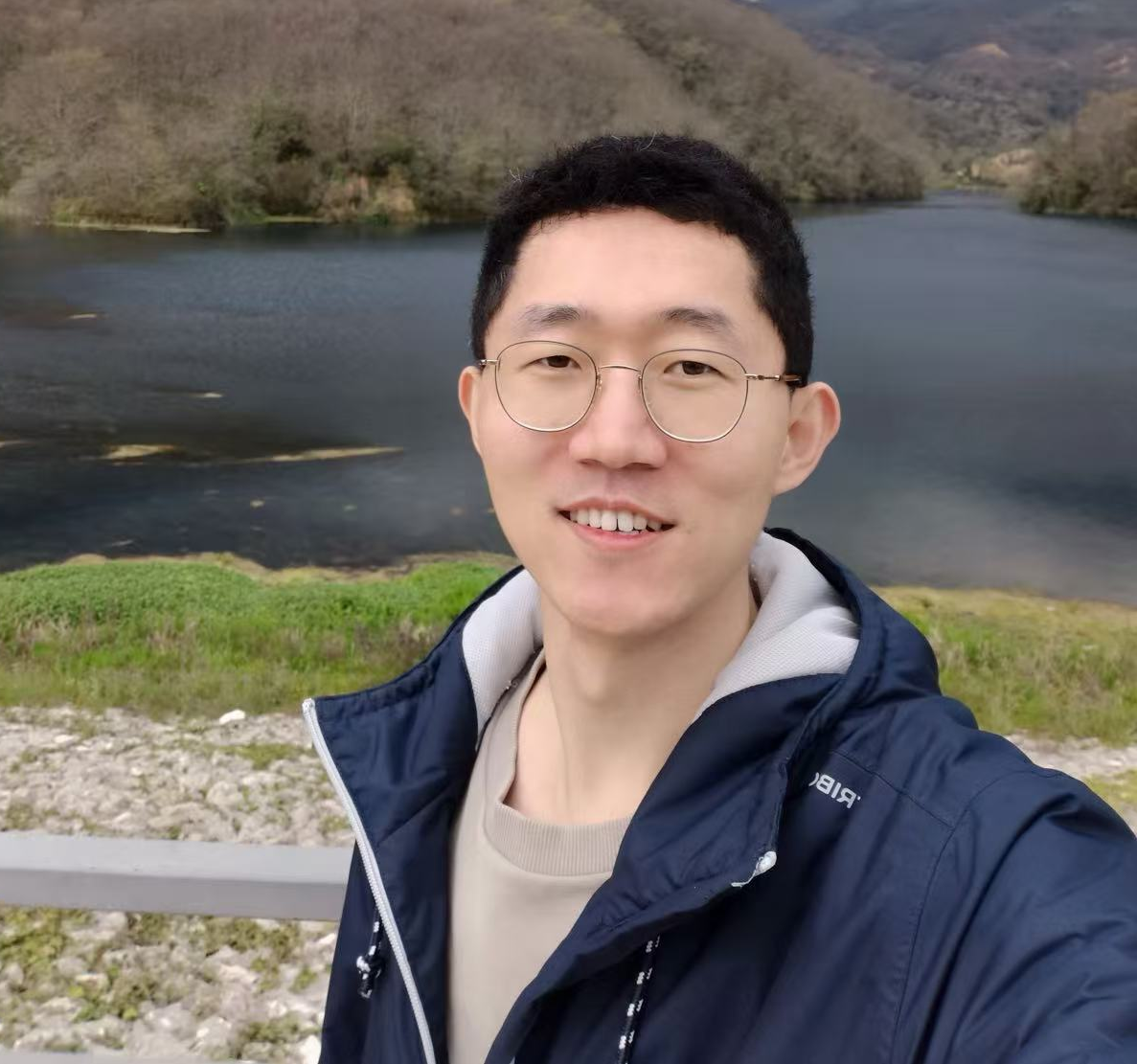
I am Tingde Liu, an embodied AI engineer at XYZ Embodied AI, based in Beijing. My work focuses on embodied intelligence, especially Vision-Language Navigation (VLN) and embodied agent frameworks.
Since 2025, I have been developing a general-purpose embodied navigation framework for real robots, with perception, memory, planning, and control as its core components. I am particularly interested in how robots reason about space, understand natural instructions, and adapt their plans over long tasks.
Previously, I worked as a Research Engineer at IPH gGmbH on AI and robotics. As a research associate at IKG, I spent nearly two years developing multimodal large language models.
These experiences shape both my research and the questions I explore here. I use this blog to organize what I learn and share it with others working on similar problems.